Trekking in Everest Region
A Journey to the Top of the World
The Everest Region is where trekking becomes something more than a walk in the mountains. Home to eight of the world’s highest peaks, ancient Sherpa villages that have changed little in centuries, and trails worn smooth by generations of pilgrims and climbers, the Khumbu — as the locals call it — is Nepal’s most celebrated trekking destination for good reason.
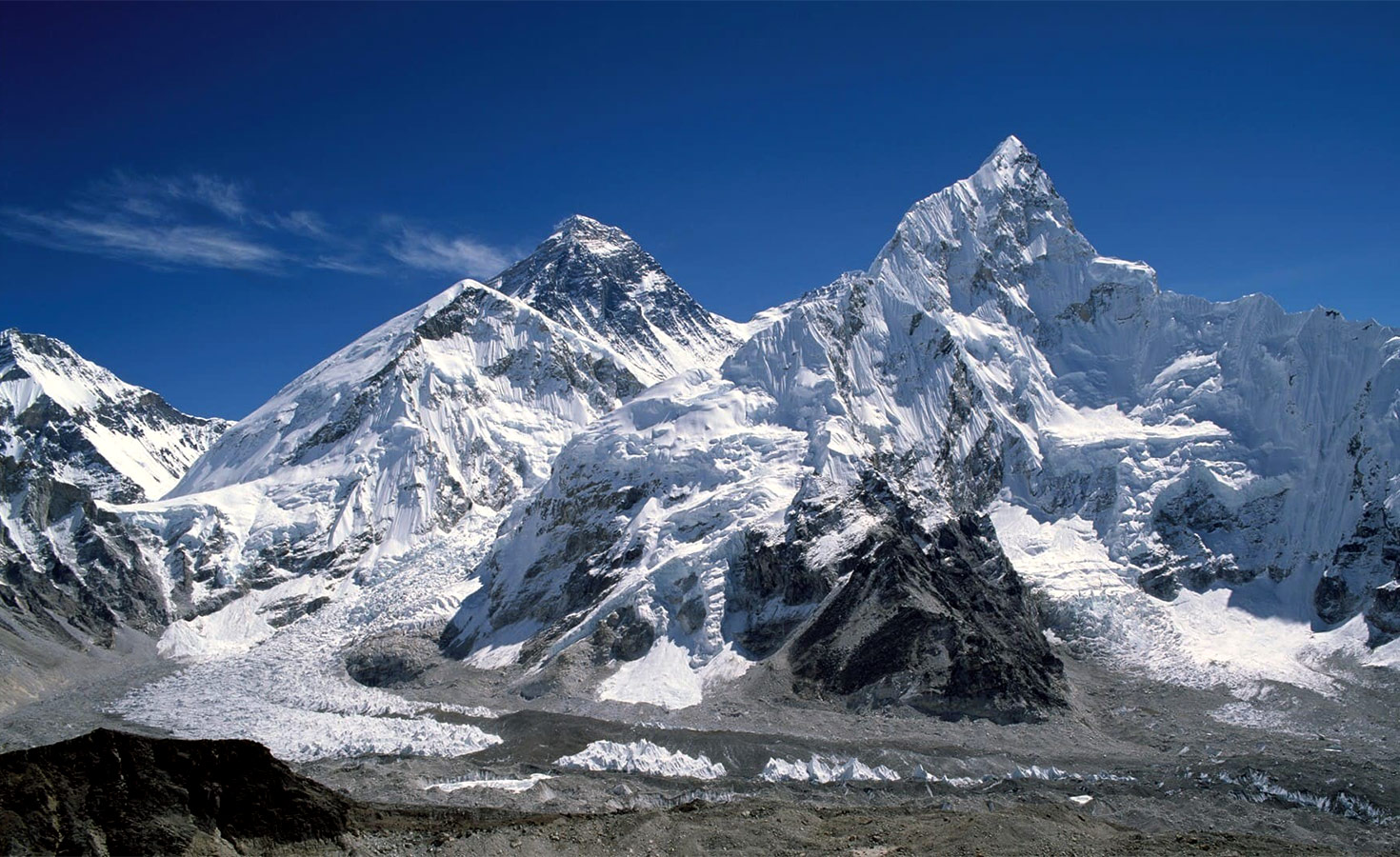
Sitting in the northeastern corner of Nepal within the boundaries of Sagarmatha National Park, a UNESCO World Heritage Site, the Everest region draws trekkers from every corner of the globe. Some come chasing the iconic silhouette of Everest at sunrise from Kala Patthar. Others come for the turquoise stillness of the Gokyo Lakes, the raw exposure of the Three High Passes, or simply to sit inside a Tengboche monastery as monks prepare for morning puja.
What makes the Khumbu genuinely different from any other trekking region in Nepal is the combination of altitude, culture, and history that saturates every trail. You walk the same route that Hillary and Tenzing walked to their 1953 base camp. You sleep in teahouses run by Sherpa families whose grandparents guided early Himalayan expeditions. The mountains here are not scenery — they are presence.
At Getaway Nepal Adventure, we organize treks across the entire Everest region, from easy one-week itineraries suitable for first-time high-altitude walkers to full Three Passes circuits that challenge even experienced trekkers. Every trek is guided by a certified local Sherpa guide who knows the Khumbu the way most people know their own neighbourhood.
Everest Region Treks at a Glance
Not sure which Everest region trek is right for you? The table below compares all our Khumbu trekking packages by duration, maximum altitude, difficulty, and starting price — so you can make a confident choice before you click through.
| Trek | Days | Max Altitude | Difficulty | Price From |
| Everest Base Camp Trek | 14 | 5,364m / 17,598ft | Moderate | USD 1,190 |
| EBC 2026 Fixed Departures | 14 | 5,364m / 17,598ft | Moderate | USD 1,360 |
| EBC 2027 Fixed Departures | 14 | 5,364m / 17,598ft | Moderate | USD 1,360 |
| Everest Budget Trek | 14 | 5,364m / 17,598ft | Moderate | USD 935 |
| Everest Panorama Trek | 11 | 3,880m / 12,729ft | Easy | USD 1,060 |
| Gokyo Lakes + EBC + Chola Pass | 18+ | 5,535m / 18,159ft | Hard | Enquire |
| Everest Luxury Trek | 8 | 4,000m / 13,123ft | Easy-Moderate | USD 2,700 |
| EBC Helicopter Tour | 1 day | 5,364m / 17,598ft | None (flight) | USD 1,540 |
| EBC Heli Trek | 11 | 5,364m / 17,598ft | Moderate | USD 2,400 |
| Women-only EBC Trek | 14 | 5,364m / 17,598ft | Moderate | USD 1,550 |
| Amphu Lapcha Pass Trek | 18 | 6,170m / 20,243ft | Expert | Enquire |
| EBC Trek by Road | 16+ | 5,364m / 17,598ft | Moderate | Enquire |
All packages are fully customizable. Group size, departure date, pace, and accommodation standard can all be adjusted to match your requirements. Contact our team on WhatsApp for a personalized itinerary.
Best Time to Trek the Everest Region
Timing your Everest region trek correctly is one of the most important decisions you will make. The Khumbu has extreme seasonal variation — the same trail that is sunny and clear in October can be battered by monsoon rain in July or blanketed in snow in January. Here is an honest, season-by-season breakdown.
Spring: March to May (Peak Season)
Spring is the most popular trekking window in the Everest region, and for good reason. Temperatures above Namche Bazaar are cold but manageable — around -5°C to 5°C at altitude during the day — and the trail is in excellent condition after the dry winter months. Below 3,500m, rhododendron forests erupt in deep red and pink bloom, making the lower sections of the trail genuinely beautiful in a way that photographs cannot fully capture.
April is the sweet spot within spring. The weather is stable, visibility is high, and the high-altitude winds that can batter Everest itself in May have not yet arrived. Everest climbing season also peaks in May, which means if you time your EBC trek correctly, you may see expedition tents covering the Khumbu Glacier — a surreal, once-in-a-lifetime view.
Expect crowds on the trail in spring, particularly between Namche Bazaar and Lobuche. Book teahouses and guides well in advance — at least two to three months ahead for April departures.
Autumn: September to November (Best Season Overall)
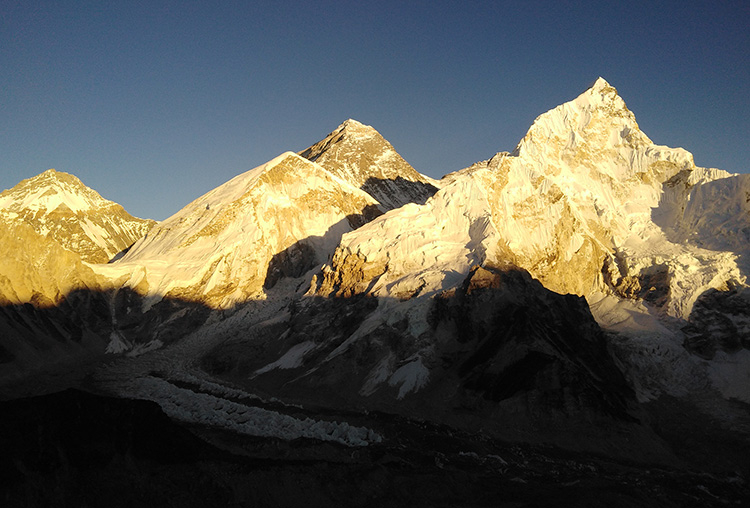
Most experienced Himalayan trekkers rate autumn as the finest season in the Khumbu, and we agree. The monsoon finishes in mid-September, leaving the air scoured clean and the skies a shade of blue that does not exist anywhere at sea level. Visibility on clear autumn days is extraordinary — from Kala Patthar, you can see not just Everest but Lhotse, Nuptse, Makalu, and Cho Oyu in startling clarity.
October is the premium month. Temperatures are cold but comfortable for trekking, trail conditions are excellent, and every viewpoint delivers. The post-monsoon vegetation adds a richness to the lower trails that spring lacks. November remains good but becomes progressively colder, and some higher-altitude teahouses begin closing after mid-November.
October is also the busiest month on the EBC trail. If crowds at Namche Bazaar or Gorak Shep concern you, consider a November departure or choose a less-trafficked alternative like the Gokyo Lakes trek, which shares none of the main EBC trail above Namche.
Winter: December to February (Cold but Quiet)
Winter trekking in the Everest region is not for everyone, but it rewards those who are prepared. The trails above Namche carry significant snow after November, and temperatures at Gorak Shep can drop to -20°C at night. However, the skies are reliably clear, the trails are near-empty, teahouse rates drop substantially, and the mountains look spectacular against deep blue winter sky.
If you are considering a winter trek, choose the Everest Panorama Trek rather than pushing to base camp — the lower-altitude route (max 3,880m) is manageable in December through January without the extreme cold exposure of the upper Khumbu. Ensure your sleeping bag is rated to at least -20°C, and confirm which teahouses are open before departure.
Monsoon: June to August (Not Recommended)
The monsoon season transforms the Khumbu into a challenging and largely unrewarding trekking environment. Heavy daily rainfall makes the lower trails slippery and leech-infested, mountain views are almost entirely obscured by cloud for weeks at a time, and the higher trail sections carry landslide and flooding risk. Lukla flights are frequently cancelled, adding days of uncertainty to any itinerary.
We do not recommend monsoon trekking in the Everest region. If your dates fall in June, July, or August, consider a rain-shadow destination instead — Upper Mustang lies beyond the Himalayan weather barrier and receives almost no monsoon rainfall, making it the ideal summer alternative.
Everest Region Trek Permits 2026
To trek in the Everest (Khumbu) region, you need two mandatory permits. Both are straightforward to obtain, and our team arranges everything in Kathmandu before your trek starts — you will never need to deal with permit offices yourself.
| Permit | Cost (Foreign Nationals) | Cost (SAARC Nationals) | Where Issued |
| Sagarmatha National Park Entry Permit | NPR 3,000 (USD 25) | NPR 1,500 (USD 13) | Nepal Tourism Board, Kathmandu or Monjo checkpoint |
| Khumbu Pasang Lhamu Rural Municipality Permit | NPR 2,000 (USD 20) | NPR 1,000 (USD 9) | Lukla arrival or Monjo checkpoint |
Important Update for 2026 Trekkers
The TIMS (Trekkers’ Information Management System) card is NO LONGER mandatory for the Everest region as of 2025. It has been replaced by the Khumbu Pasang Lhamu Rural Municipality Entry Permit. Do not pay for a TIMS card if trekking solely in the Khumbu region — it is not required. Total permit cost for most foreign trekkers: approximately USD 45-50 per person.
Getting to the Everest Region
All Everest region treks begin in Lukla (2,846m), a small town in the Solukhumbu district with a famous short-runway mountain airstrip. There are two ways to reach Lukla from Kathmandu.
Option 1: Direct Kathmandu–Lukla Flight (Recommended)
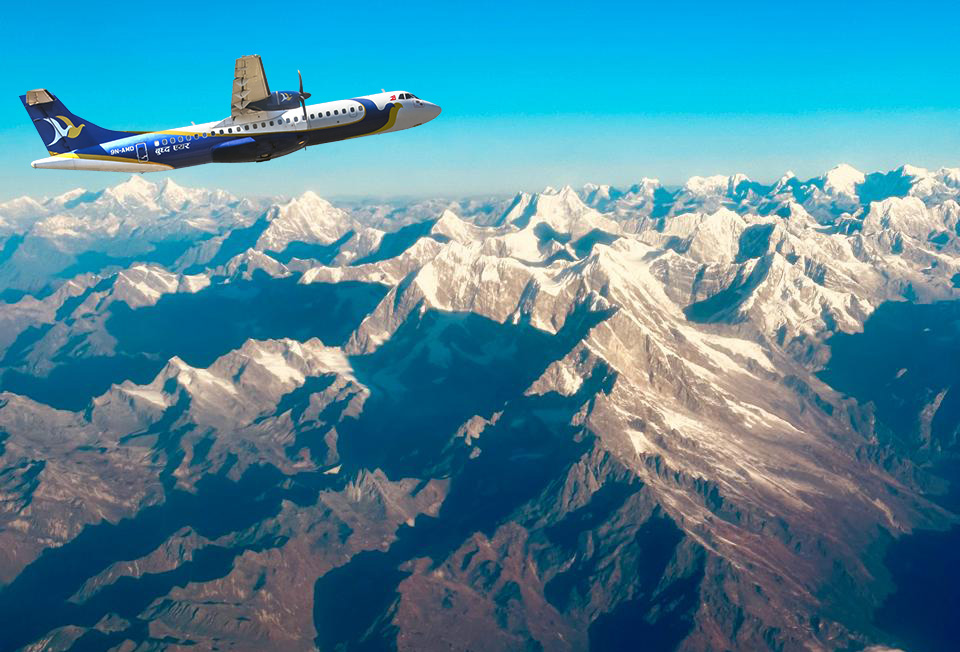
The Kathmandu to Lukla flight takes approximately 35 minutes and is the most convenient option for most trekkers. Operated by several domestic carriers, flights depart from Tribhuvan International Airport’s domestic terminal. The descent into Lukla — with the runway ending at a sheer mountain drop — is one of the more memorable aviation experiences in the world.
Cost: approximately USD 180–220 per person, one way. Flights are weather-dependent and occasionally delayed or cancelled, particularly in early mornings. We always build an extra day’s buffer into Kathmandu at the end of your trek to protect against weather delays.
Option 2: Drive to Ramechhap, then Fly to Lukla
During the spring peak season (April-May), Kathmandu-Lukla flights are heavily in demand. To ease airport congestion, many trekkers and agencies use the Manthali Airport in Ramechhap (Ramechhap district) as the departure point. The drive from Kathmandu to Ramechhap takes approximately 5-6 hours on good road — an early morning departure is standard — followed by a 20-minute flight to Lukla.
This route is increasingly common in spring and involves no extra cost — just earlier rising. We arrange private vehicle transfers from your Kathmandu hotel to Ramechhap as part of the package.
Option 3: EBC Trek by Road and Foot from Salleri
For trekkers who want to avoid Lukla flights entirely, our Everest Base Camp Trek by Road package begins with a jeep drive to Salleri (or Phaplu) and a longer walking approach into the Khumbu. This adds 2-3 days to the itinerary but gives a fuller sense of the Solukhumbu landscape and is a practical alternative when Lukla flights are disrupted.
Altitude, Acclimatization and Staying Safe
The Everest region is the highest trekking environment in the world. Understanding how altitude affects the body — and how to manage it — is the difference between a successful trek and an early evacuation. This is not information to skip.
Key Altitudes on the Everest Region Trails
| Location | Altitude | Stage |
| Lukla | 2,846m / 9,337ft | Trek start |
| Phakding | 2,610m / 8,563ft | Day 1 camp |
| Namche Bazaar | 3,440m / 11,286ft | Main acclimatization stop |
| Tengboche Monastery | 3,860m / 12,664ft | Cultural highlight |
| Dingboche | 4,410m / 14,468ft | Second acclimatization stop |
| Lobuche | 4,910m / 16,109ft | High camp |
| Gorak Shep | 5,140m / 16,863ft | Final camp before EBC |
| Everest Base Camp | 5,364m / 17,598ft | Trek objective |
| Kala Patthar | 5,555m / 18,225ft | Highest standard viewpoint |
| Kongma La Pass (Three Passes) | 5,535m / 18,159ft | Three Passes route |
The Golden Rule: Climb High, Sleep Low
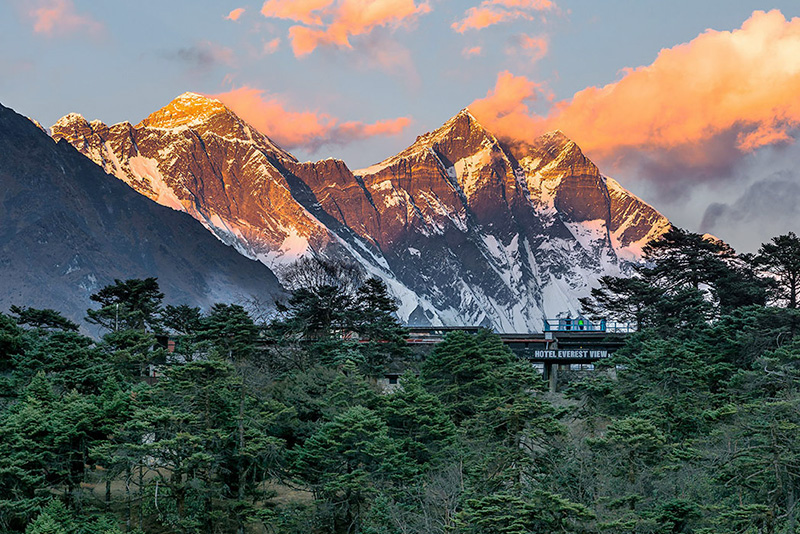
Your body acclimatises to altitude during sleep, not during the day’s walk. The cardinal rule of high-altitude trekking is to climb high during the day for exploration, then descend to sleep at a lower altitude. Our itineraries are built around this principle — the acclimatisation day in Namche Bazaar, for example, involves a hike up to the Everest View Hotel (3,880m) before returning to sleep at 3,440m.
Recognising Altitude Sickness (AMS)
Acute Mountain Sickness (AMS) is common above 3,000m and affects even fit, experienced trekkers. Symptoms include headache, nausea, fatigue, dizziness, and disrupted sleep. Mild AMS is normal and manageable — rest, hydration, and avoiding further ascent usually resolves it within 24-48 hours.
Severe AMS — characterised by confusion, inability to walk straight, persistent vomiting, or extreme breathlessness at rest — requires immediate descent. Our guides are trained in wilderness first aid and carry pulse oximeters to monitor blood oxygen levels throughout the trek. Any descent decision made by our guide is final and non-negotiable. Your safety takes precedence over your itinerary.
We recommend consulting your doctor about Diamox (acetazolamide) before departure. It is not mandatory, but it is effective at reducing AMS symptoms in many trekkers.
Sherpa Culture and the Villages of the Khumbu
The Everest region is Sherpa country — and the Sherpa community is one of the most remarkable cultures anywhere on earth. Understanding who the Sherpa people are, and what their world looks like beyond the climbing permit statistics, transforms every day of your trek.
Namche Bazaar — The Capital of the Khumbu
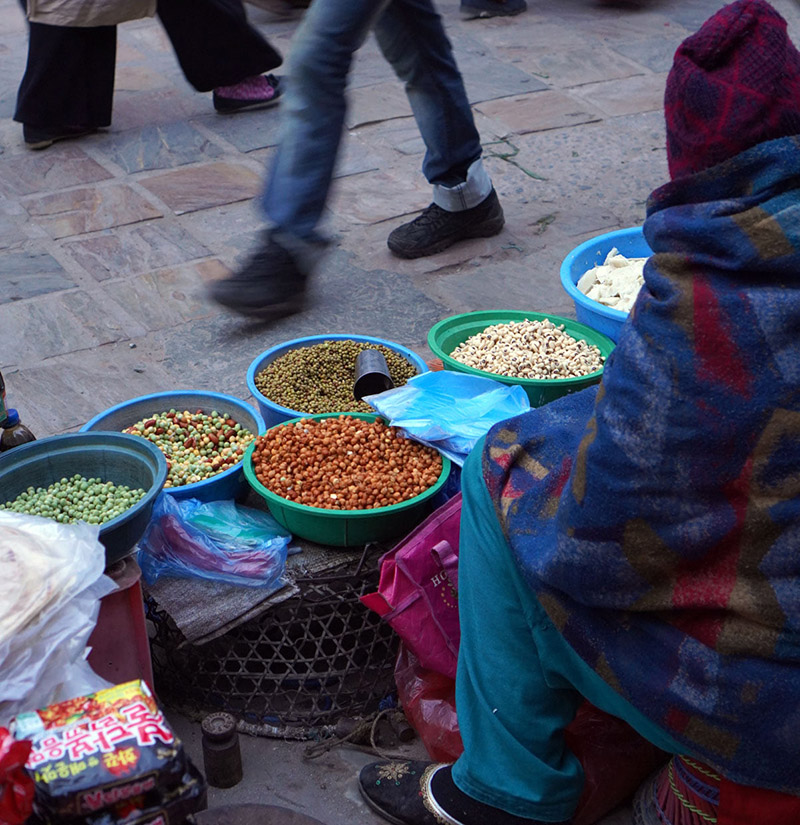
Most trekkers spend at least two nights in Namche Bazaar, the commercial and cultural hub of the Khumbu at 3,440m. What was once a remote trading post connecting Tibet and the lowland bazaars of Nepal is now a surprisingly vibrant mountain town with bakeries, coffee shops, gear stores, a small museum, and a Saturday market that still operates as it has for generations — with Tibetan traders bringing yak butter, dried meat, and handicrafts over the Nangpa La pass.
Walk ten minutes above Namche to the Sagarmatha National Park visitor centre for the best close-up view of Everest, Lhotse, and Ama Dablam from any road-accessible point in the Khumbu. The view from here is more impressive than many people expect — four of the world’s highest mountains visible simultaneously, with nothing between you and them but clear Himalayan air.
Tengboche Monastery
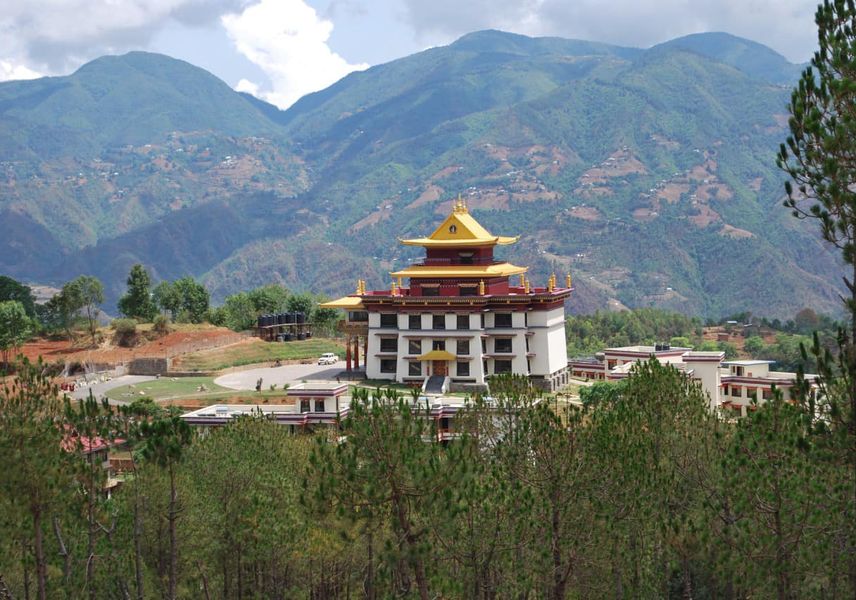
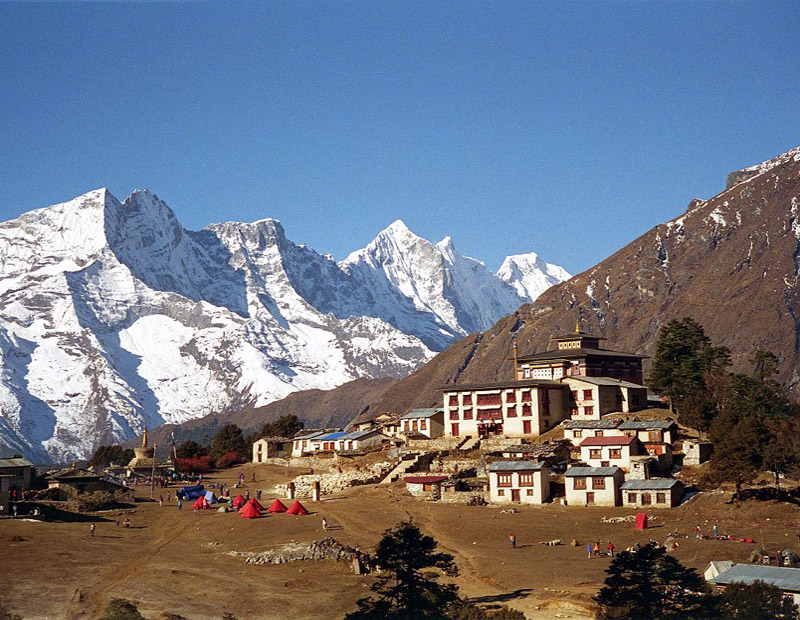
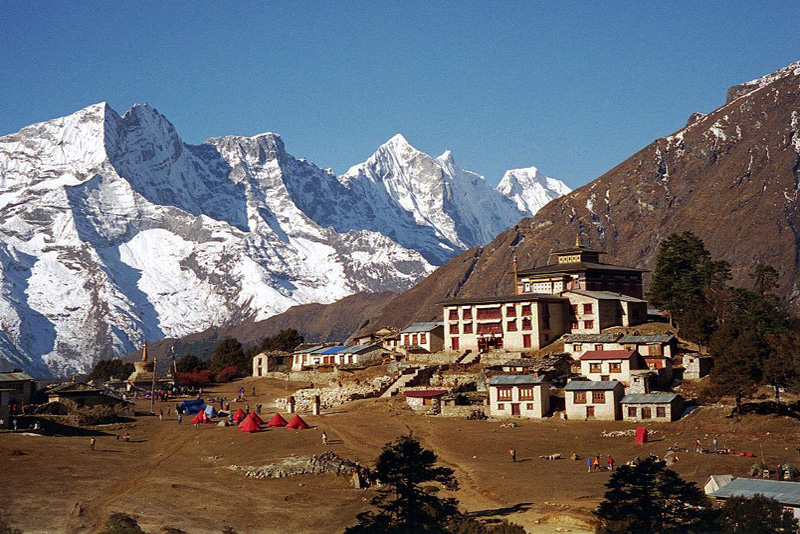
Tengboche Monastery, built on a ridge at 3,867m with Ama Dablam framed perfectly behind it, is the spiritual centre of the Khumbu. Founded in 1916 and rebuilt after a 1989 fire, the gompa is home to a community of monks and serves as the departure point for Buddhist blessings given to Everest climbing expeditions before they push for the summit.
Arrive at Tengboche in the late afternoon if your itinerary allows — the evening puja, with its drums, horns, and low chanting echoing across the mountain silence, is one of the genuine highlights of any Everest region trek. Early November brings the Mani Rimdu festival, a three-day masked dance ceremony celebrating the victory of Buddhism over pre-Buddhist Bon religion — if your dates align, it is extraordinary.
The Sherpa People
The word “Sherpa” is often used loosely to mean any mountain guide in Nepal, but the Sherpa are a specific ethnic group originating from the Khumbu region, with distinct language, culture, and religious traditions rooted in Tibetan Buddhism. Sherpas migrated from Tibet across the Nangpa La pass approximately 500 years ago and have lived in the high Khumbu ever since, adapting with remarkable success to altitudes that debilitate most outsiders.
Our Sherpa guides are not hired workers brought in for your trek — they are people who grew up in the villages you walk through, whose families farm the fields you pass, whose grandparents built some of the mani walls your trail skirts around. That local knowledge and personal connection is not something any non-Sherpa operator, however well-organised, can replicate.
How Difficult Is Trekking in the Everest Region?
This is the question we hear most often — and the honest answer is: it depends entirely on which trek you choose and how your body responds to altitude. Physical fitness matters less than most people assume. Altitude response is largely genetic, and we have seen elite athletes struggle above 5,000m while unfit middle-aged walkers reach Everest Base Camp without a single bad day.
| Trek | Fitness Required | Altitude Challenge | Recommended For |
| Everest Panorama Trek | Low to moderate | Moderate (max 3,880m) | First-time trekkers, families, seniors |
| Everest Base Camp Trek | Moderate | High (5,364m) | Reasonably fit adults with no altitude history |
| Gokyo Lakes Trek | Moderate | High (5,483m) | Those wanting EBC-level without the crowds |
| Three Passes Trek | High | Very high (5,535m) | Experienced trekkers, multiple prior high-altitude trips |
| Amphu Lapcha Pass | Mountaineering level | Extreme (6,170m) | Technical climbers with glacier experience |
For the Everest Base Camp Trek specifically: if you can walk for 5-7 hours a day on uneven terrain and have no underlying cardiac or respiratory conditions, you are a viable EBC trekker. The key variables are not speed or strength — they are willingness to go slowly, respect the acclimatisation schedule, and trust your guide’s advice on rest days.
We do not sell the EBC trek as easy. It is a demanding two-week high-altitude walk that requires genuine preparation. We do say, honestly, that it is achievable for a far wider range of people than most assume — including trekkers over 60, families with older children, and people who have never trekked at altitude before.
Why Trek the Khumbu with Getaway Nepal Adventure
There are hundreds of trekking agencies in Kathmandu. Most of them can get you to Everest Base Camp. What they cannot all offer is the combination of factors that genuinely matters when something goes wrong at 5,200m, when the weather closes in, when a porter develops altitude symptoms, or when your flight back from Lukla is cancelled for the third consecutive day.
Every Guide is a Khumbu Local
Our Everest region guides are Sherpa, Rai, and Tamang men and women who were born and raised in the Khumbu or Solukhumbu district. They know which teahouses have the warmest stoves, which trails to avoid after snowfall, which local families will share their homes if a lodge is full, and where the best angle for an Ama Dablam photograph actually is. That knowledge cannot be taught in a training course.
Small Groups Only
Our maximum group size for standard Everest region treks is 12 trekkers. We do not offer budget group tours of 20-30 people. Small groups acclimatise more flexibly, move at a pace determined by the slowest member rather than an arbitrary schedule, and receive genuinely personalised attention from the guide. On a 14-day EBC trek, the difference between a 6-person group and a 25-person group is experienced every single day.
Transparent Safety Protocols
Every guide carries a pulse oximeter, a basic medical kit, and satellite communication capability. Our emergency evacuation protocol is established before the trek begins — helicopter rescue is pre-arranged and the cost covered by travel insurance that we help every trekker obtain before departure. We do not minimise altitude symptoms, argue with trekkers who want to push on, or prioritise reaching the destination over returning safely.
Fair Wages and Ethical Employment
Every porter and guide we employ receives the government-mandated minimum daily wage, plus insurance, proper equipment, and meals — regardless of weather, difficulty, or whether the trek reaches its destination. We do not use freelance porters hired day-to-day from Lukla with no accountability. The people who carry your bags and guide your way are employees with rights, not commodity labour.
Frequently Asked Questions About Trekking in the Everest Region
Q1: What permits do I need to trek in the Everest region?
You need two permits: the Sagarmatha National Park Entry Permit (NPR 3,000 / ~USD 25 for foreign nationals) and the Khumbu Pasang Lhamu Rural Municipality Entry Permit (NPR 2,000 / ~USD 20). The TIMS card is no longer required for the Everest region as of 2025. Total permit cost for most trekkers is approximately USD 45–50. Getaway Nepal Adventure handles all permit paperwork in Kathmandu — bring your passport and two passport-sized photographs.
Q2: What is the best time of year to trek in the Everest region?
Autumn (September to November) and spring (March to May) are the two main trekking seasons. October offers the clearest skies, best visibility, and most stable weather — it is the premium month for the Khumbu. Spring is equally popular and offers rhododendron blooms at lower altitudes. Avoid the monsoon (June–August). Winter (December–February) is cold but possible for experienced trekkers on lower-altitude routes.
Q3: How difficult is the Everest Base Camp Trek?
The EBC trek is graded moderate to strenuous. The main challenge is altitude, not terrain — the trail itself is well-maintained and does not require technical climbing skills. If you can walk 5-7 hours a day on uneven ground and have no underlying heart or lung conditions, you are a viable EBC trekker. The key is going slowly, following the acclimatisation schedule, and listening to your guide. Many trekkers over 60 and first-time high-altitude walkers complete EBC every year.
Q4: How much does an Everest region trek cost in 2026?
Our Everest region packages start from USD 935 for the Everest Base Camp Budget Trek and USD 1,190 for the standard 14-day EBC Trek. Group departures start from USD 1,360 per person. Luxury lodge treks begin at USD 2,700. All packages include permits, teahouse accommodation, three meals per day on the trail, guide, porter, and domestic flights Kathmandu–Lukla–Kathmandu. International flights, Nepal visa, travel insurance, and personal expenses are excluded.
Q5: Do I need a guide for trekking in the Everest region?
Independent trekking is permitted in the Khumbu — you do not legally require a guide. However, we strongly recommend one. Above 4,000m, altitude sickness can develop rapidly and your own judgment may be impaired before you are aware of it. A trained local guide monitors your blood oxygen, knows when to slow down and when to descend, communicates in Nepali with teahouse owners, and provides the local knowledge that no guidebook can match. On a 14-day trek in a high-altitude environment, a good guide is not a luxury — it is the single most important investment in your safety and enjoyment.
Q6: How do I get to the Everest region from Kathmandu?
Most trekkers fly from Kathmandu (or Manthali Airport in Ramechhap) to Lukla — the main entry point to the Khumbu. The Kathmandu–Lukla flight takes approximately 35 minutes. During peak season (April-May), Ramechhap is often used to reduce Kathmandu airport congestion — this involves a 5-6 hour drive from Kathmandu followed by a 20-minute Lukla flight. For those avoiding flights, our EBC Trek by Road option begins with a jeep drive to Salleri and a longer walking approach into the Khumbu.
Q7: Is altitude sickness a real risk on Everest region treks?
Yes — it is a genuine risk that affects a significant percentage of trekkers above 3,500m, including very fit people. Symptoms range from mild headache and fatigue (common and manageable) to severe acute mountain sickness requiring immediate descent (less common but serious). Our itineraries are built with proper acclimatisation days at Namche Bazaar and Dingboche specifically to minimise this risk. Our guides carry pulse oximeters and are trained in altitude first aid. Speak to your doctor before departure about whether Diamox (acetazolamide) is appropriate for you.
Q8: What is the highest point reached on standard Everest region treks?
On the standard Everest Base Camp Trek, the highest point is Kala Patthar at 5,555m (18,225ft) — a pre-dawn climb that delivers the most spectacular close-range view of the Everest massif available without technical climbing equipment. Everest Base Camp itself sits at 5,364m (17,598ft). For the Three Passes Trek, Kongma La at 5,535m (18,159ft) is the highest pass. The Amphu Lapcha Pass Trek tops out at 6,170m (20,243ft) and requires mountaineering experience.
Q9: Can beginners do the Everest Base Camp Trek?
Yes, with the right preparation and realistic expectations. The EBC trek is challenging for everyone — the altitude ensures that. But it does not require prior trekking experience, technical skills, or elite fitness. What it requires is reasonable cardiovascular fitness, the discipline to go slowly, and the willingness to listen to your guide. We recommend at least 6-8 weeks of cardio preparation before departure: long walks, stair climbing, and regular aerobic activity. Many first-time trekkers complete EBC successfully every year.
Q10: What is the Everest region like beyond the EBC trail?
The main EBC trail from Lukla to base camp is one of the busiest trekking routes in the world — Namche Bazaar in October feels like a mountain town, not a remote wilderness. But the Khumbu extends far beyond this corridor. The Gokyo Valley, the Amphu Lapcha Pass, the Ama Dablam Base Camp approach, and the routes into the western Khumbu around Thame and Nangpa La all offer extraordinary high-altitude scenery with a fraction of the foot traffic. If you have already done EBC and want to return, these alternatives will show you a completely different side of the same region.
Top Add-on Trips
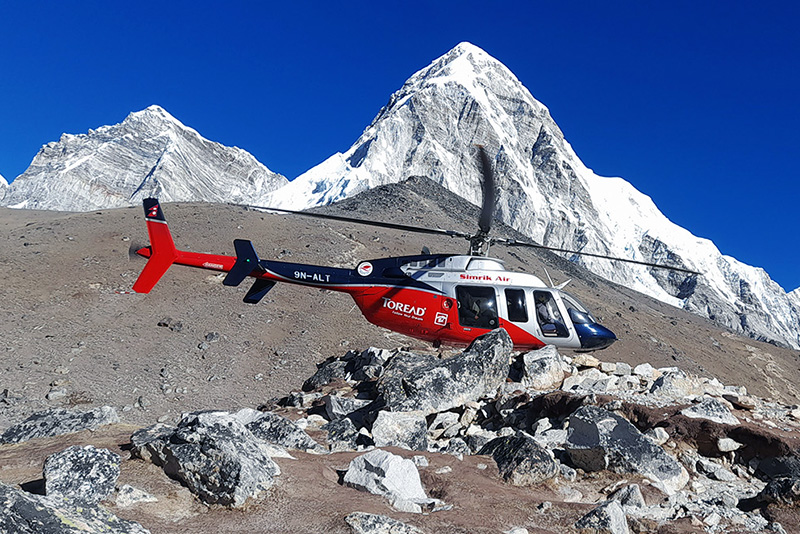
Everest Base Camp Helicopter Tour
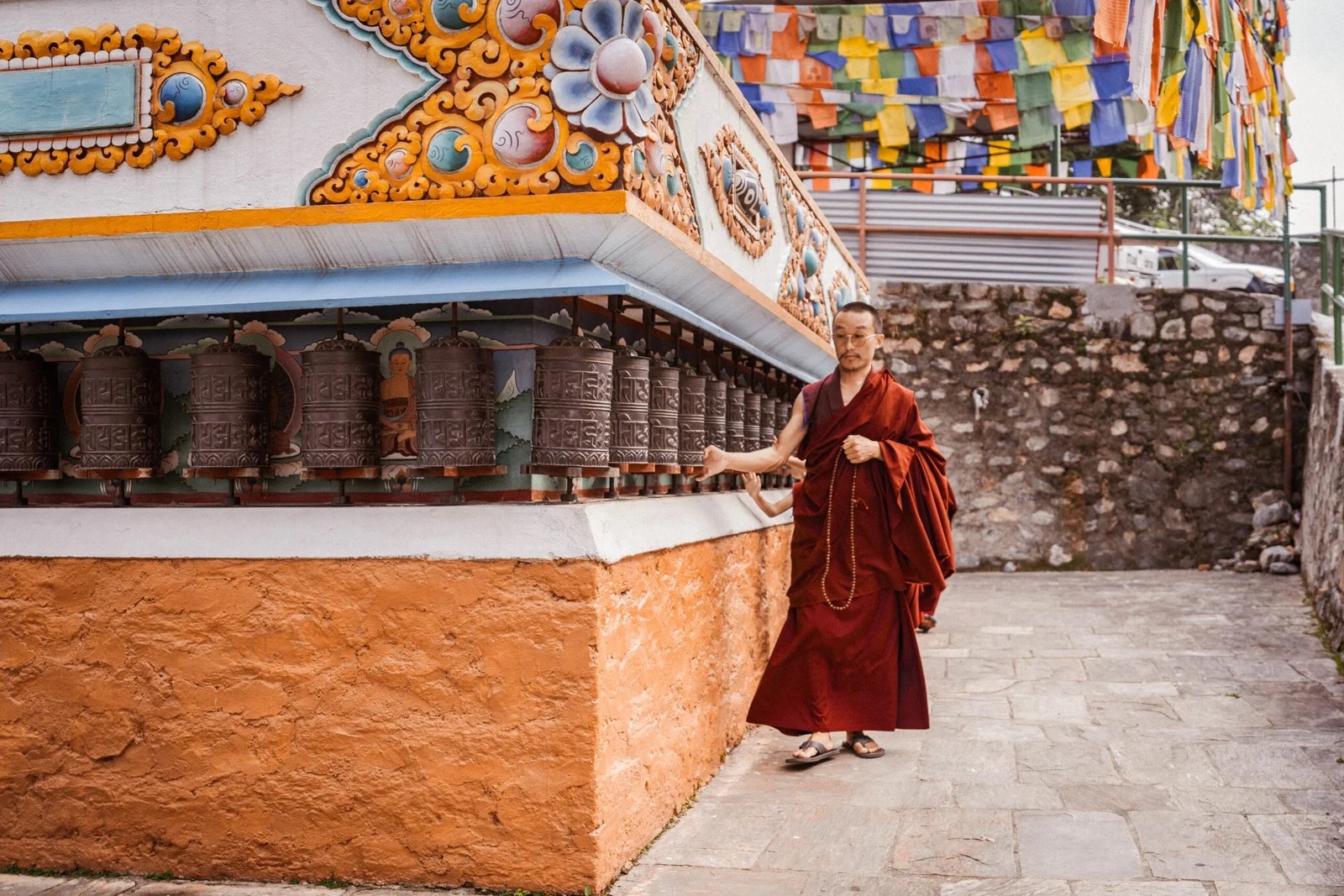
Monastery Stay Tour